Laboratory

We conduct comprehensive testing of raw materials, rubber compounds, prototypes, and finished products in our specialized laboratory, ensuring the highest standards of quality and innovation.

Laboratory Testing

Our tests are based on international standards, but if necessary and depending on available equipment, we can perform them according to other standards, our own methodology, or propose testing conditions based on our experience.

The Research and Quality Control Laboratories team collaborates with scientific institutions in Poland and research centers worldwide.

Analyses

Our analyses cover both the physical and chemical properties of materials, as well as their resistance to various environmental and operational factors.

Thanks to advanced technologies and precise measuring devices, the laboratory can provide detailed data essential for optimizing production processes and developing new products.

Scope of Testing

The density test involves measuring the mass of a sample in air and water, and then calculating the density. These tests are performed on rubber compounds and finished products.
The hardness test measures the resistance a sample provides when a needle is pressed into it. Hardness is inversely proportional to the depth of the needle’s penetration. These tests are performed on rubber compounds and finished products. Tensile Strength and Elongation at Break Test.
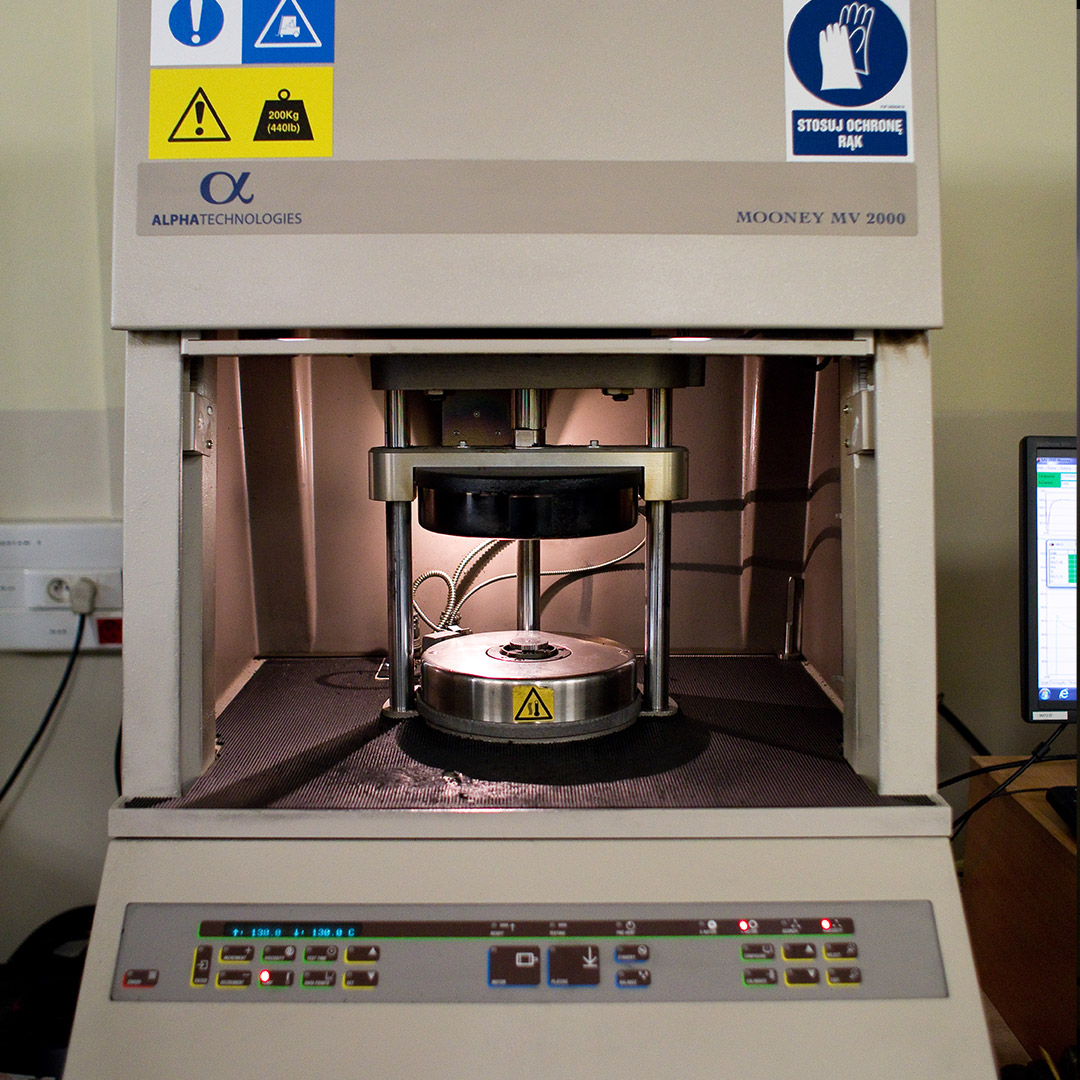
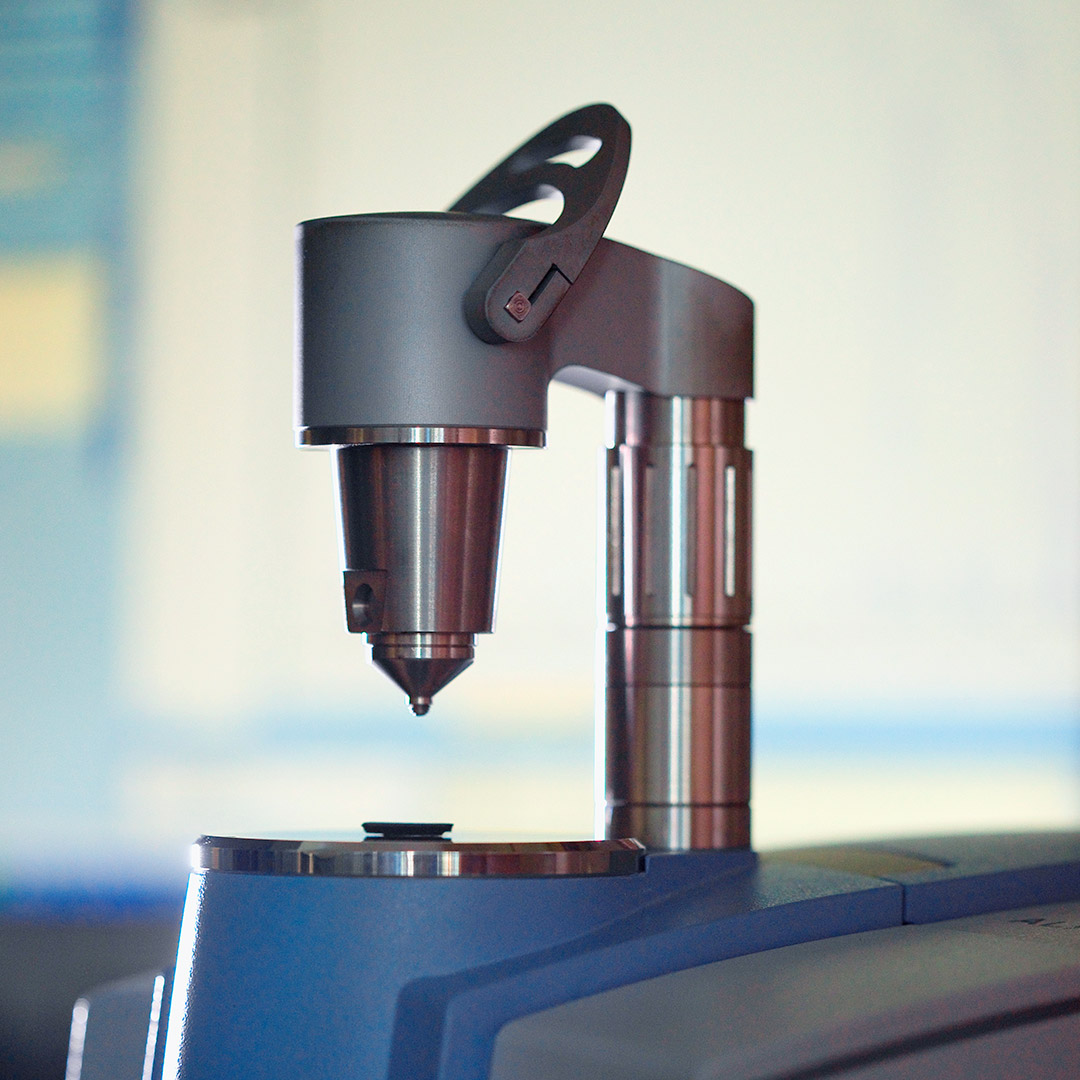
This test involves placing a sample in a chamber at a specific temperature and measuring the torque of the compound during rotor oscillations in the lower chamber. The test is performed using a rheometer. During the test, vulcanization parameters are determined.
This test involves placing a sample in a U-shaped holder and subjecting it to a flame for 15 seconds. After this period, it is determined whether and when the flame extinguishes or the burning time of the measured length of the sample is recorded. The test is conducted in a chamber.
This test involves measuring the height of the sample, then compressing the sample to a specified value and aging it at a defined temperature for a specified time. After this period, the sample is allowed to elastically relax at room temperature for a specified time, and the height is measured. The deformation value is then calculated.
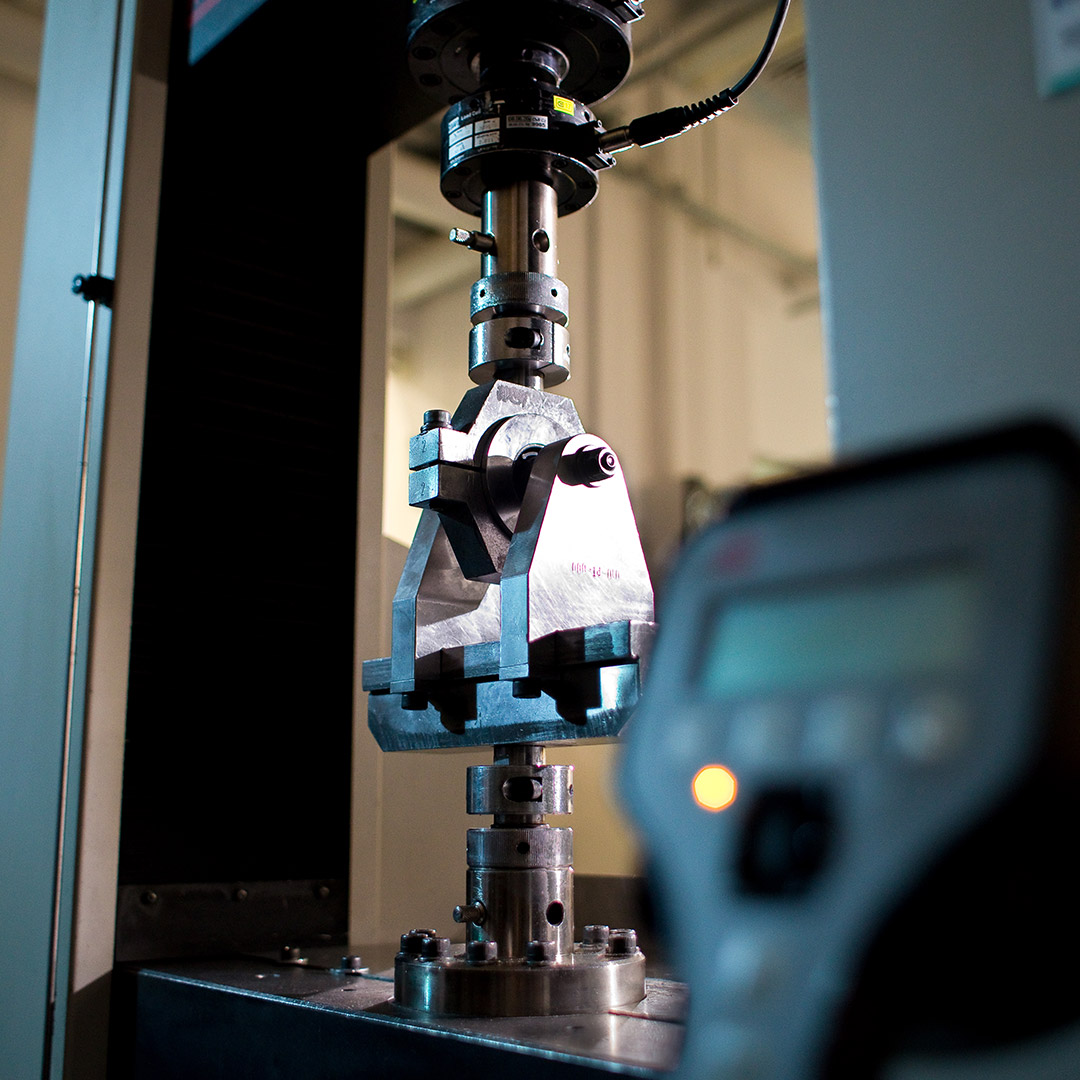
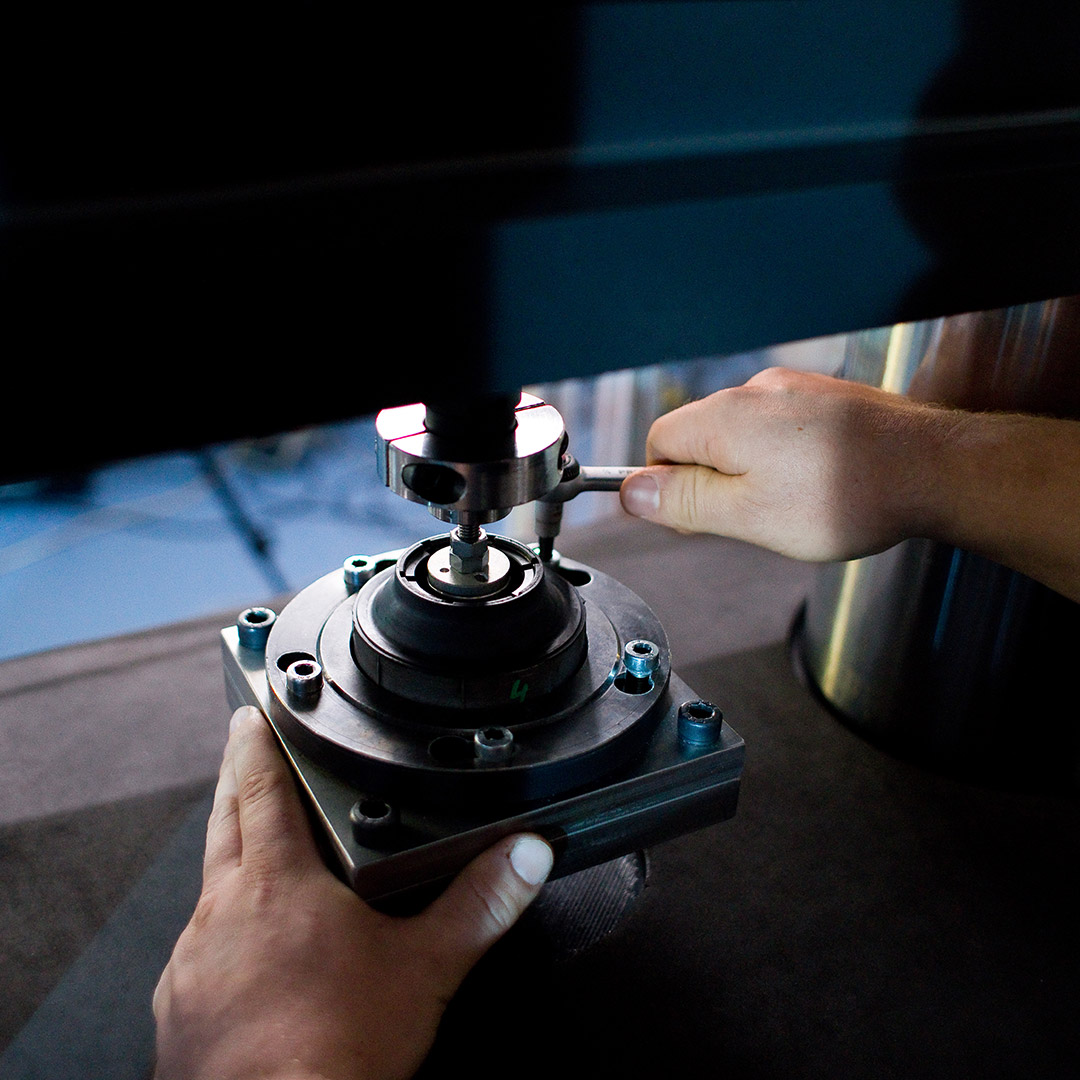
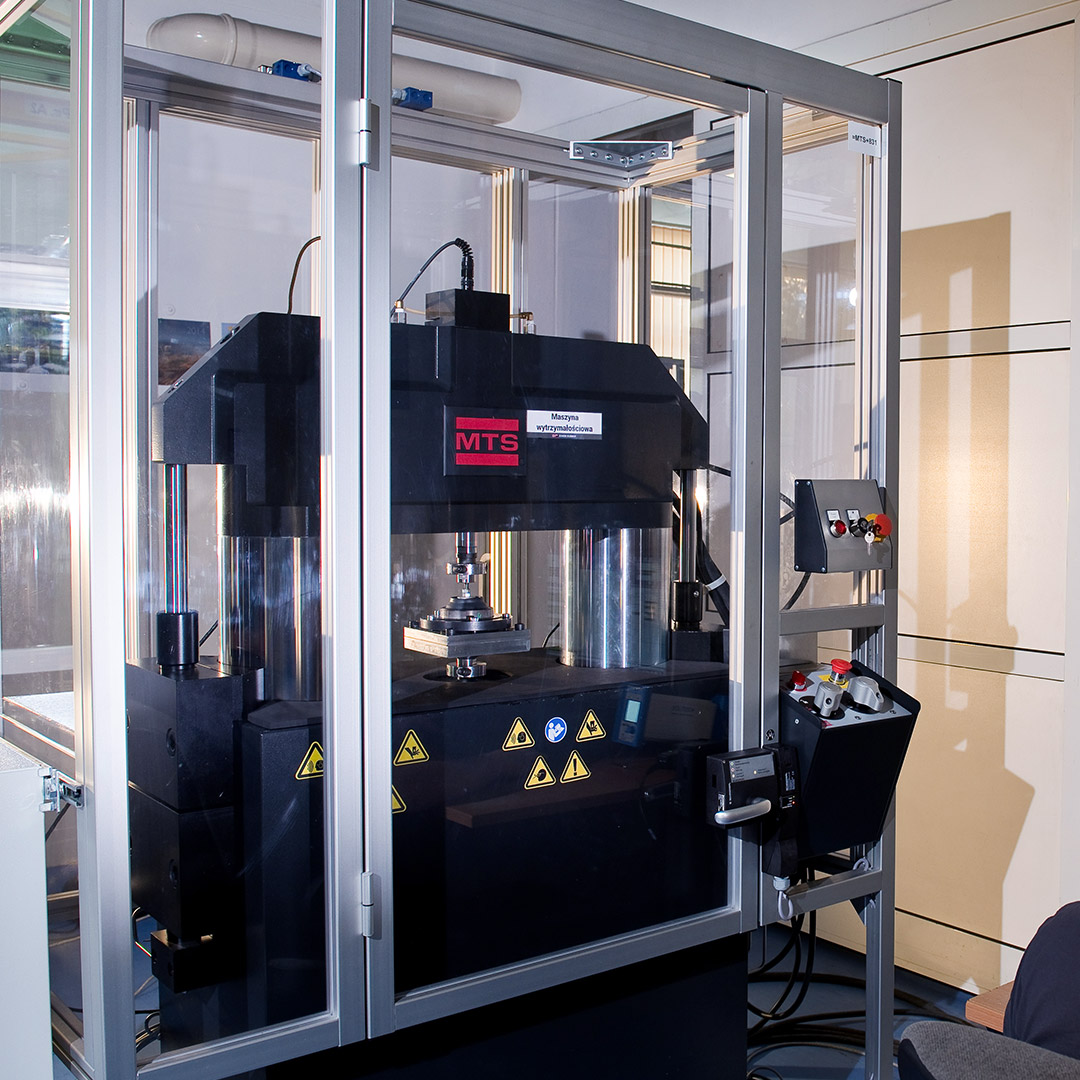
This test involves compressing or stretching a sample and determining the static characteristics and static stiffness. These tests can be conducted within a temperature range of -40°C to 200°C.
This test involves applying an initial predefined load to the sample, then inducing oscillations with displacement or force excitation at a specified frequency and determining the dynamic stiffness and loss angle. These tests can be conducted within a temperature range of -40°C to 200°C.
This test involves subjecting samples to various factors (temperature, humidity, UV radiation, salt fog, ozone) in a controlled manner for a specified time. Then, the change in parameters, such as color, hardness, and strength before and after aging, is calculated.

Equipment

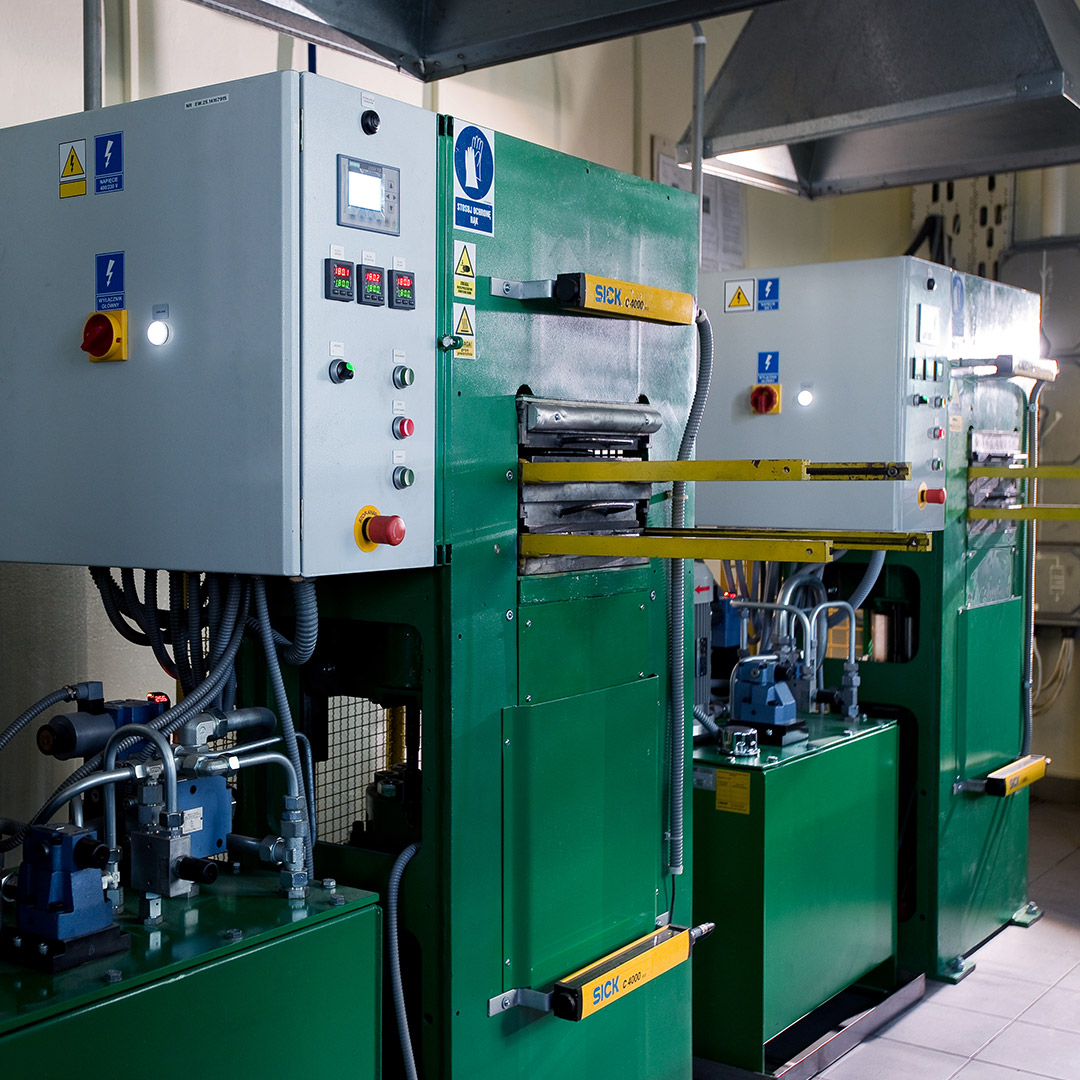
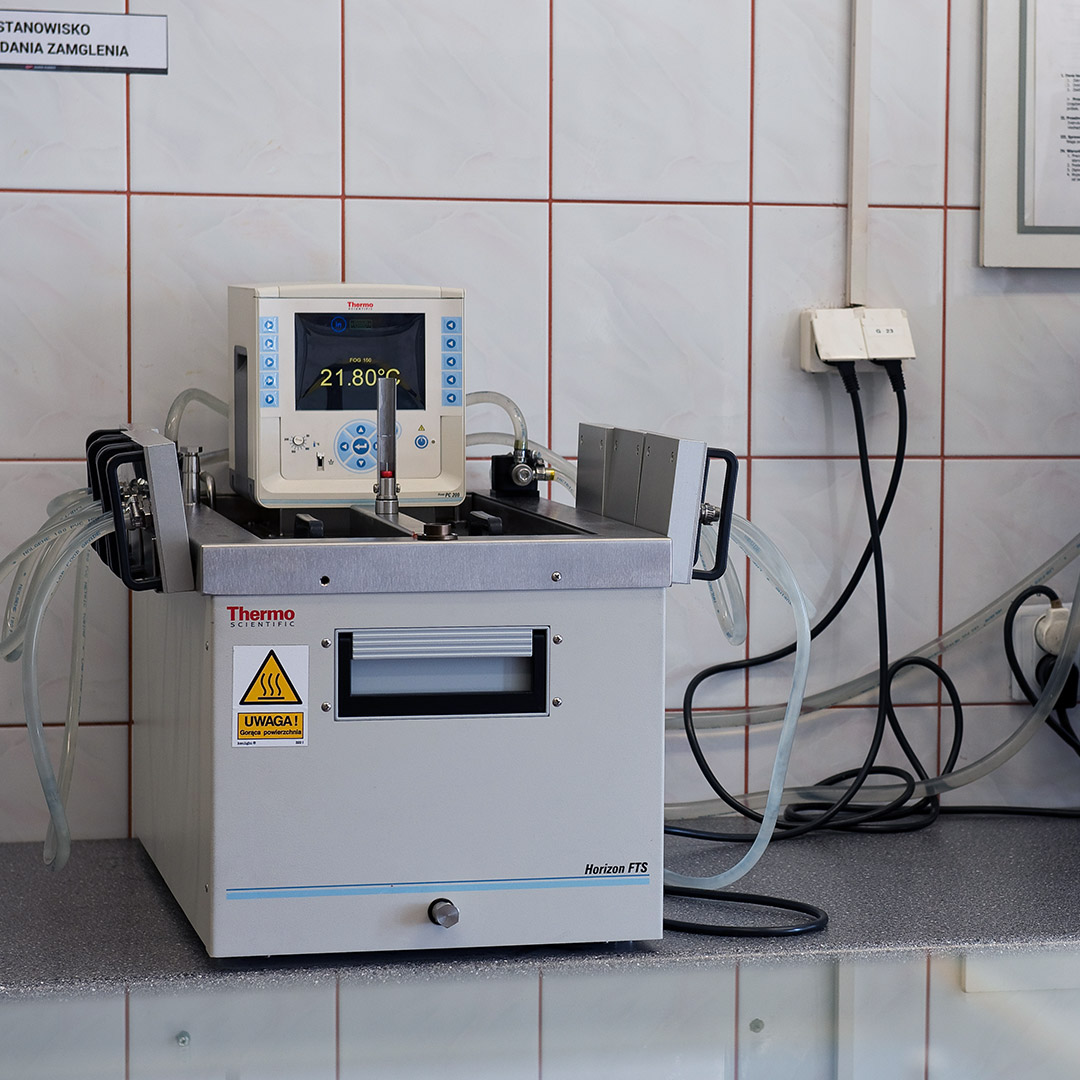
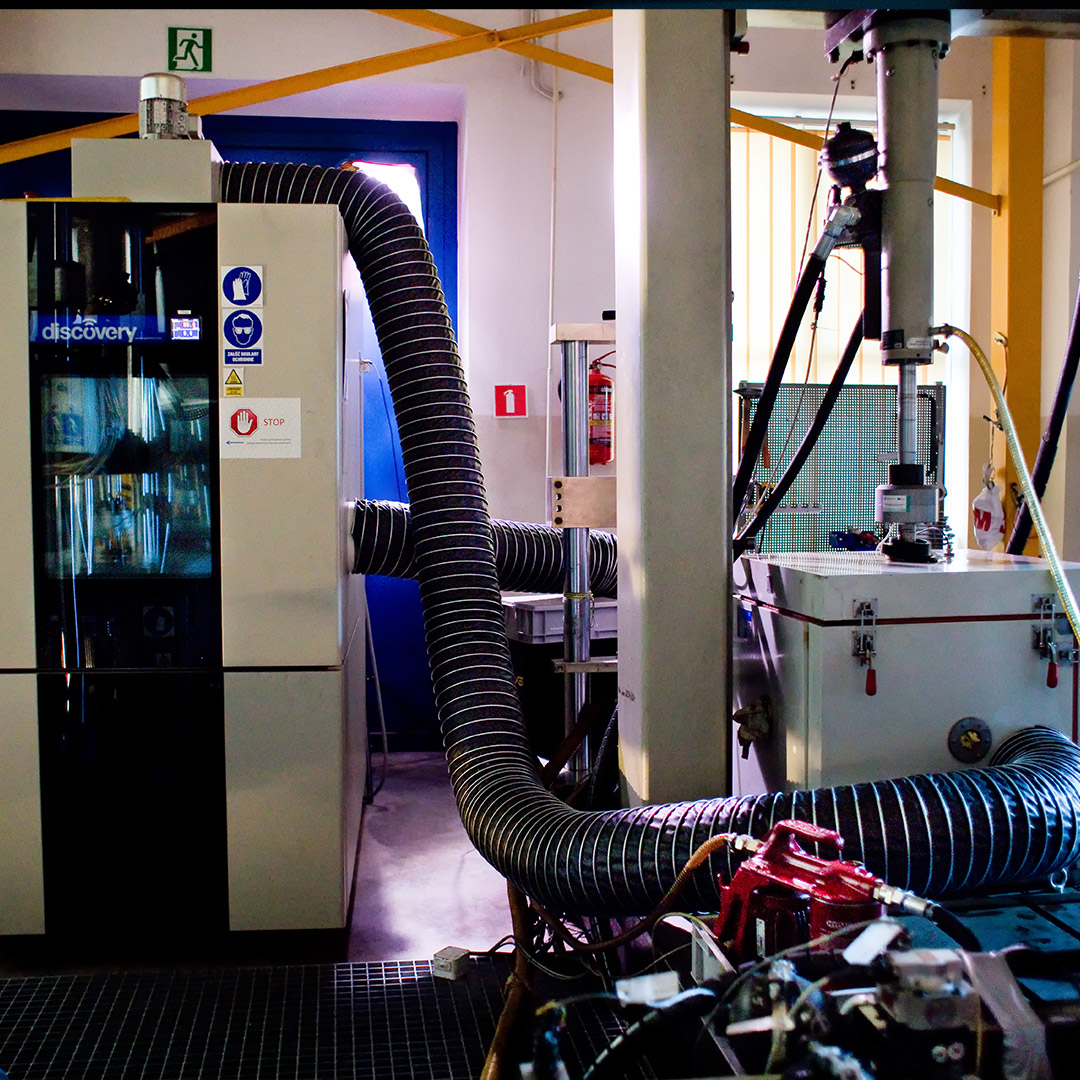
The laboratories are equipped with modern equipment that allows for monitoring quality at every stage of product development and production.

The laboratories conduct tests according to international standards, including ISO, DIN, ASTM-D, SEA J200, as well as the standards of our Clients.

CHAMBERS

STRENGTH MACHINES

Catalogs for Download

Research Services Range

Laboratory Testing Catalog

Contact Us

Have questions? Get in touch with the appropriate representative.

Laboratory

Joanna Przygórzewska

Request for Quotation

Need a full offer? Send us what you need, and our experts will prepare a tailored offer just for you.